17
CASE STUDY 17 · SURFACE ENVIRONMENT
Keeping soil alive while it waits
Rehabilitation starts years before the grass: it starts in the stockpile, where stripped topsoil either survives as a living thing or quietly dies. We funded the science of keeping it alive.
5 studies
in the 8.2.6 series on stockpiled and rehabilitated soils
1 handbook
the Coaltech Soil Handbook, open to everyone
2 communities
microbial and fungal, tracked through stockpiling
Years
the time soil waits in a stockpile for the mine to need it back
01
The problem
A stockpile is not storage
Before mining, the topsoil is stripped and heaped. Years later it goes back, and everyone expects it to grow grass. But soil is a living community: bacteria, fungi, the mycorrhizal networks that plants depend on. Pile it high enough for long enough and that community suffocates. The mine returns dead dirt to the land and wonders why rehabilitation struggles.
“Stockpiling of Coal Mine Soils.”
Project 8.2.6, 2016. The study that treated a soil heap as something alive.
02
The research
What dies in the heap, and what survives
The 8.2.6 series followed the life in the soil through the stockpile years. The 2016 stockpiling study set the frame. The microbial community work tracked how bacterial structure shifts with the physics and chemistry of the heap. The mycorrhizal studies measured spore density and viability, the seed stock of the underground network plants need. And the bacterial community work followed soils through to rehabilitation, showing what recovers and what has to be helped back. The findings were distilled into the Coaltech Soil Handbook, written for the people who actually build and strip the stockpiles.
University soil scientists
The 8.2.6 microbial and mycorrhizal studies.
Coaltech Environment Committee
Programme direction.
Member mines
The stockpiles studied, and the doctrine applied.
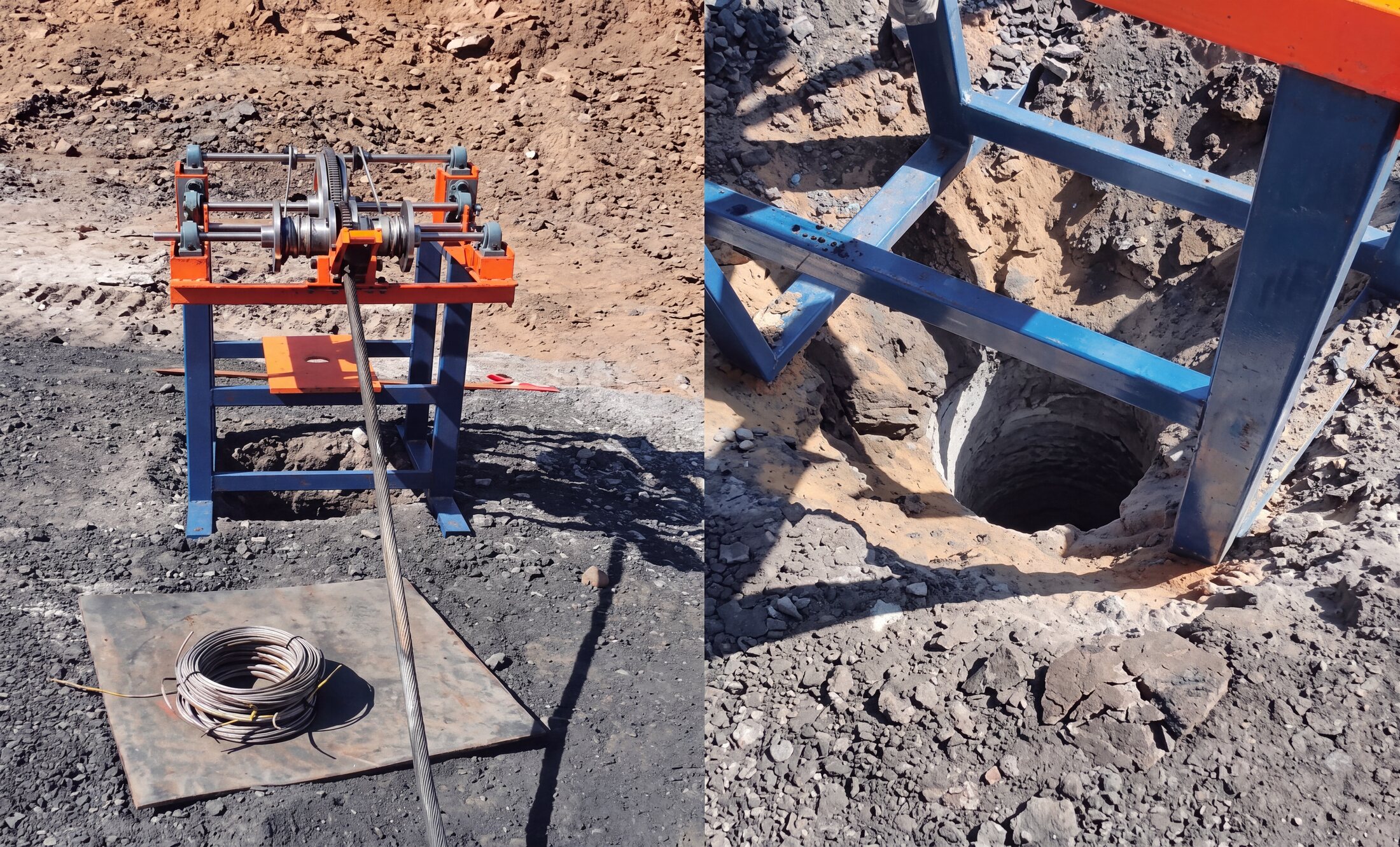
Field instrumentation on trial ground. From our 2020/21 Annual Report.
Alive
is the only acceptable condition for soil that has to grow a landscape back.
03
The impact
Rehabilitation that starts on day one
The work reframed stockpiling from storage to stewardship. Height, age and management of a soil heap now read as biological decisions, and the Soil Handbook puts the doctrine in field language for operators. Every hectare that revegetates properly owes something to soil that was kept alive while it waited.
2016
The frame
The stockpiling study establishes what happens inside the heap.
2016 to 2020
The living fraction
Microbial structure, mycorrhizal spores and bacterial communities tracked.
2021
The handbook
The Coaltech Soil Handbook distils the doctrine for the field.
Onward
Standard practice
Stockpile management enters rehabilitation planning as biology, not logistics.
The evidence. Every claim traces to a published report.
PDFStockpiling of Coal Mine SoilsWhat this report showsProject 8.2.6: the foundational stockpiling study.2016Open in the Library → PDFMicrobial community structure and physicochemical properties of soil stockpilesWhat this report showsThe living community tracked against the heap’s conditions.2018Open in the Library → PDFAssessment of mycorrhizal fungal spore density and viability in stockpilesWhat this report showsThe seed stock of the underground network, measured.2019Open in the Library → PDFStructural and functional differentiation of bacterial communities in rehabilitated soilsWhat this report showsWhat recovers after replacement, and what needs help.2020Open in the Library → PDFCoaltech Soil HandbookWhat this report showsThe open field reference distilled from the series.2021Open in the Library → Where this goes next
Living soil is what the rehabilitation standard assumes and what farming after mining requires. Related: The Rehabilitation Guideline. Farming with Mine Water. Regenerative Land.