
Blasting where the ground is already burning
In opencast mines over old workings, a drilled blast hole can open into ground that is already hot. Load explosives into it and people die. We wrote the doctrine for managing hot holes, and reviewed every instrument that measures them.
Heat where the explosives go
Opencast benches over burned or burning spoil hide a lethal trap. Drill a blast hole into hot ground, and the hole itself becomes an oven; charge it with explosives on a normal timeline and the charge can initiate prematurely. Crews knew hot holes existed. What the industry lacked was a common doctrine for finding them, grading them, and blasting safely around them.
Find the heat before the charge does
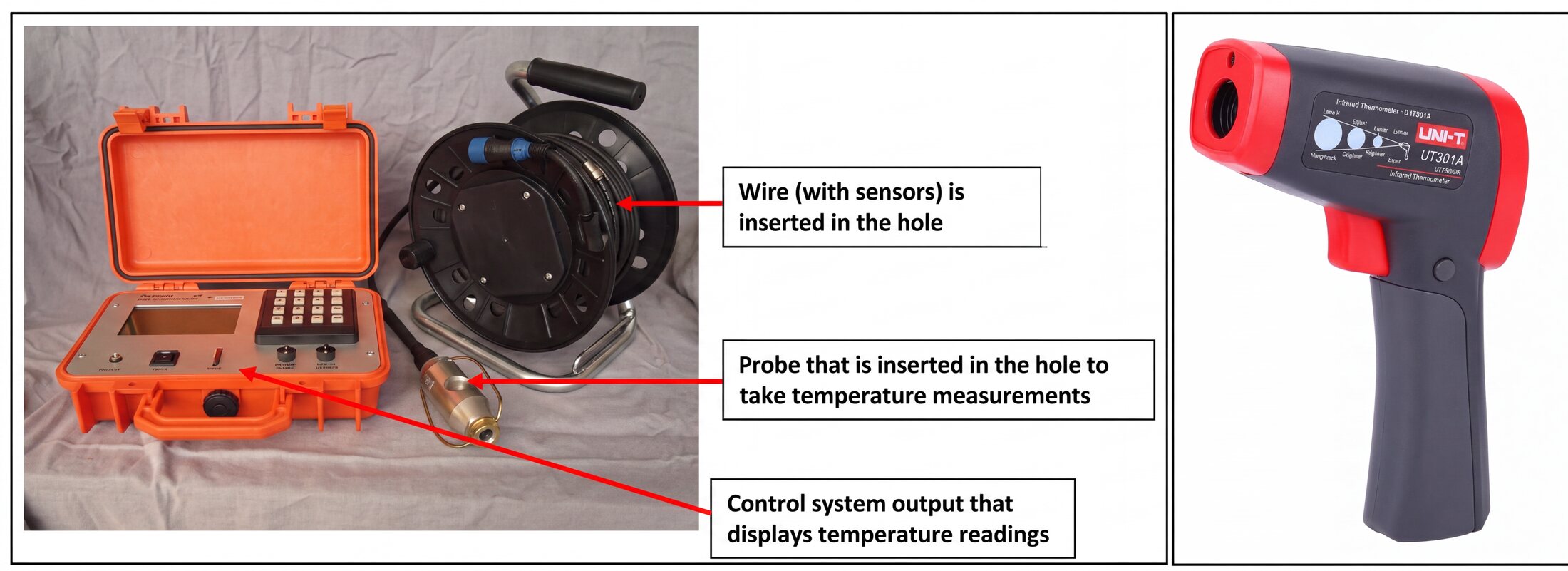
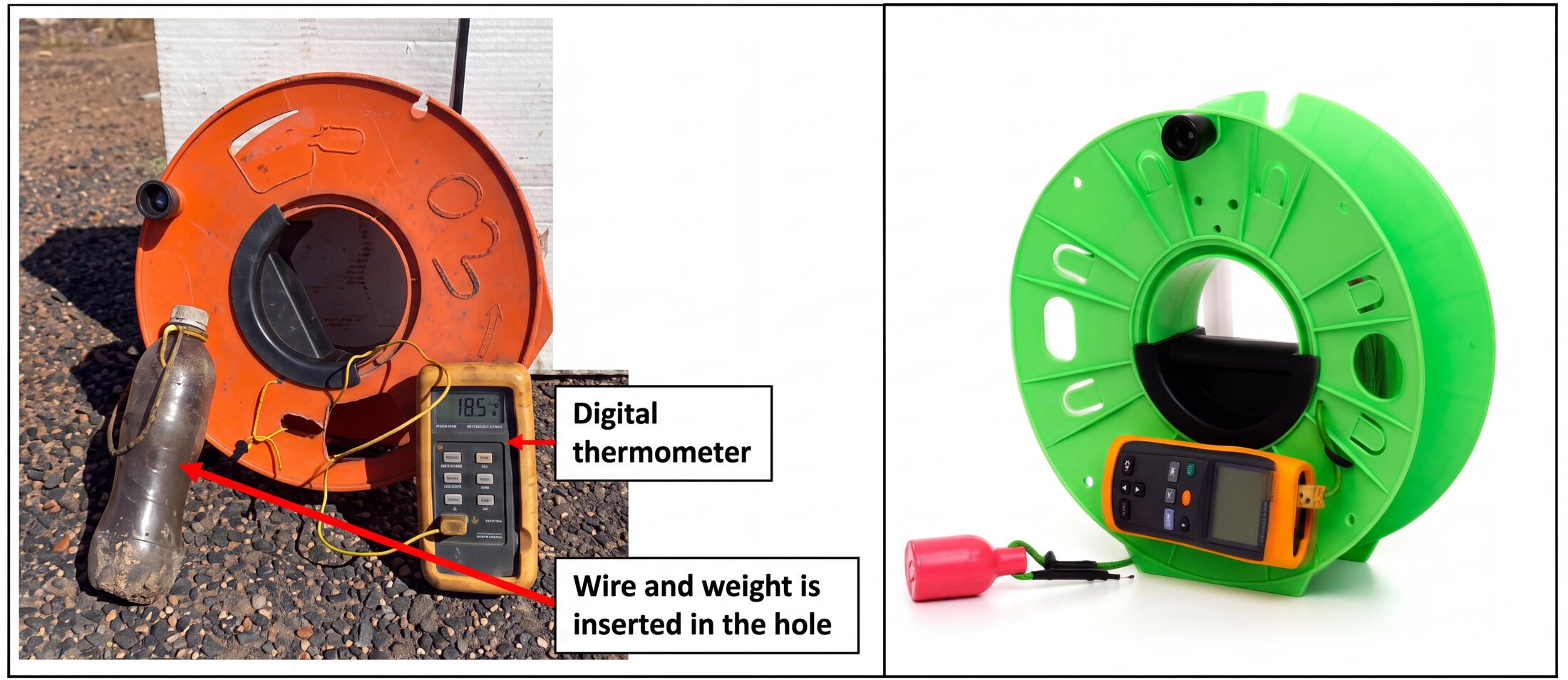
M2020-1 produced two deliverables. The Best Practice Guideline for the Management of Hot Holes in Opencast Coal Mines sets the doctrine: how to identify hot holes and reactive ground, how to classify severity, and how to sequence drilling, charging and timing so heat and explosive never meet on the wrong terms. The companion review put the temperature monitoring instruments themselves under scrutiny, from probes to infrared, so mines measure the hazard with tools that actually read it.
A shared drill-to-blast doctrine
Hot hole management used to differ mine to mine, crew to crew. The guideline gives every opencast operation on burning ground the same identification, classification and charging doctrine, and the instrument review means the temperature readings behind those decisions can be trusted. Doctrine like this is invisible until the day it is not.
The evidence. Every claim traces to a published report.
Where this goes next
Hot holes are sponcom’s sharpest edge. The fire science behind it lives next door. Related: SponCom. Pillar Strength and the mapping of old workings.