
Washing coal without water
South Africa washes coal in a country that cannot spare the water. Over a decade we tested the world’s dry beneficiation technologies against our own coals. When borrowing test rigs got in the way, we bought our own.
Every washed tonne is water spent
Conventional beneficiation is a wet process, and it competes for the same water as the towns and farms of the Highveld. Dry separation exists, but the technologies were built for Chinese and American coals. Nobody could say which of them worked on ours, at what efficiency, at what cost. Guessing wrong at plant scale costs hundreds of millions.
Test everything. Own the evidence.
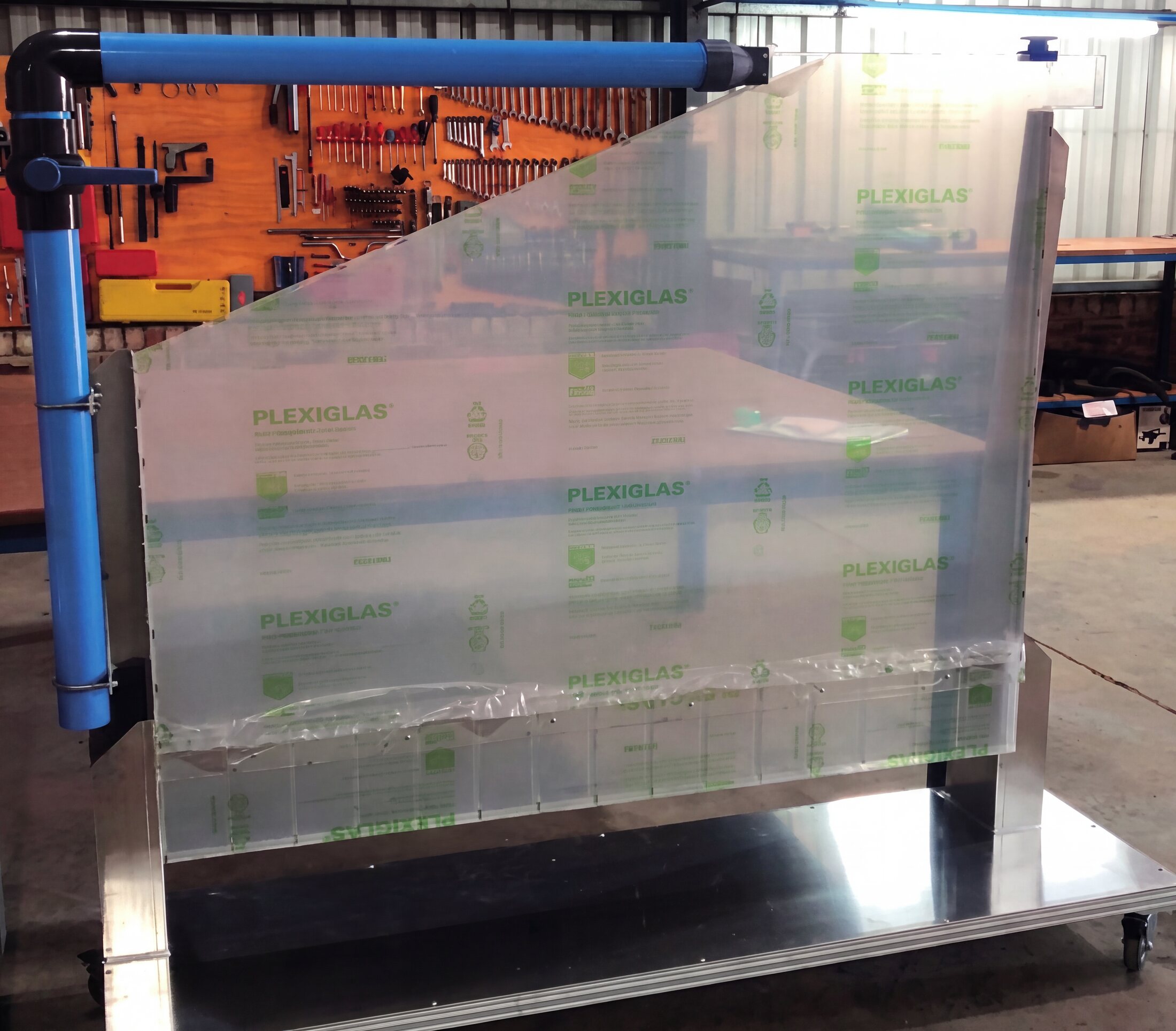
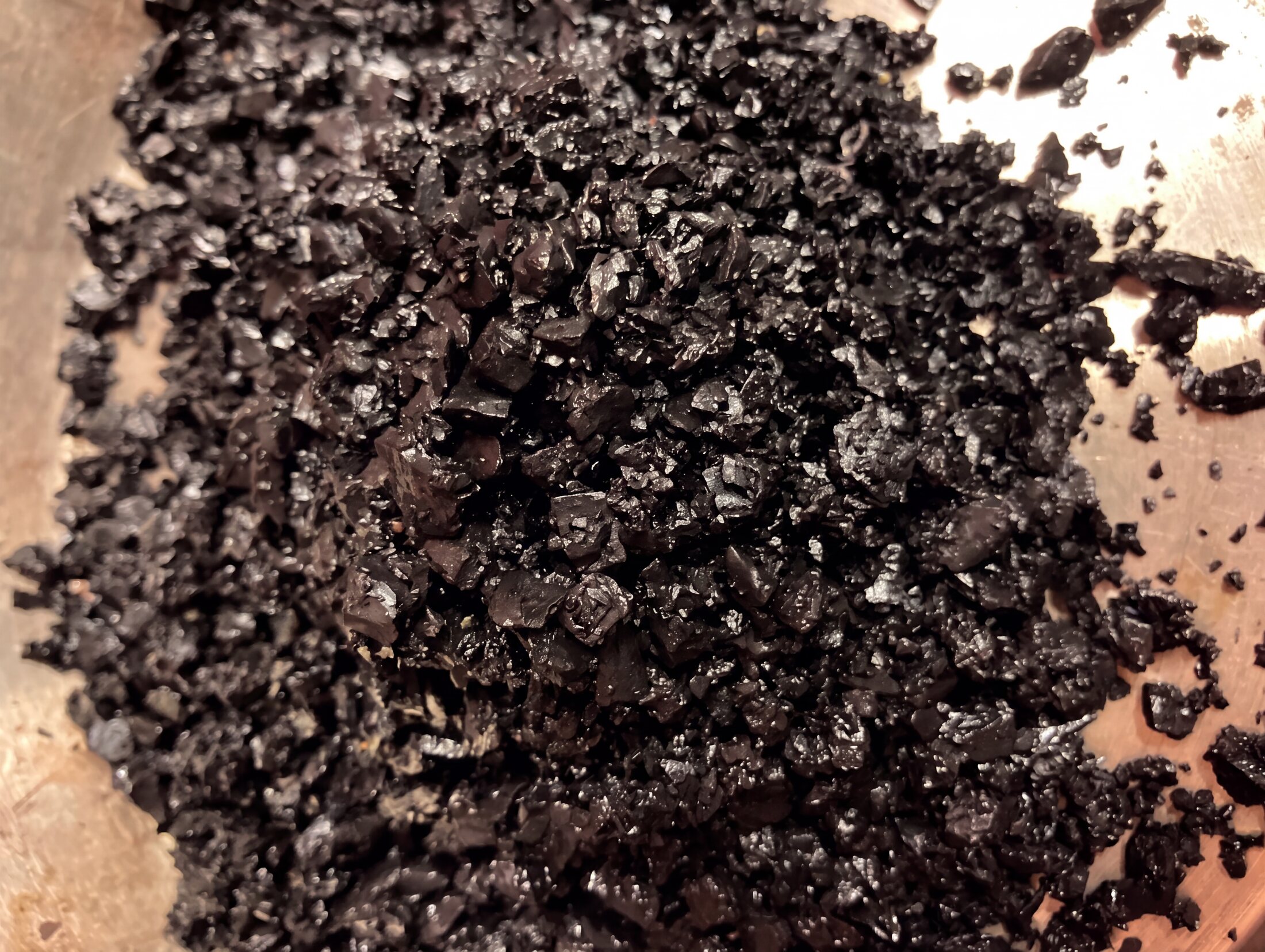
Johan de Korte anchored the work from the CSIR and then in private practice. The FGX trials at Exxaro operations set the baseline. Reviews and cost studies mapped air-dense medium separation and the rest of the field. Then we stopped borrowing access to other people’s equipment and bought a SepAir dry treatment plant of our own, erected in 2019/20. Dorstfontein coal went through it first. The Witbank pilot campaign followed, and the performance envelope of dry processing on South African coal went into the library, seam by seam, moisture level by moisture level.
Nobody has to guess anymore
A processing engineer weighing a dry plant today does not start from a vendor brochure. The measured performance of every serious dry technology on local coal sits in our library, and the pilot plant means a member can put their own coal through a dry circuit before betting capital on one. As the water gets scarcer, this stops being interesting research and starts being the industry’s plan B, tested and priced.
The evidence. Every claim traces to a published report.
Where this goes next
What dry processing cannot save becomes feedstock in the alternate uses programme. Related: Alternate Uses of Coal. HELE-CFB.