
Farming with the water a mine leaves behind
For twenty years we have funded the research most people refuse to believe: crops and pastures growing, safely, on treated mine-affected water.
Stranded water, stranded land
The coalfields hold two stranded assets. Enormous volumes of mine-affected water, sitting as pure liability. And rehabilitated land, waiting for an economy. Next door, farms queue for scarce clean water. If mine water can irrigate safely, both assets unlock at once, and closure gets its best answer to the only question communities ask: what happens to this land now?
Prove it in the ground
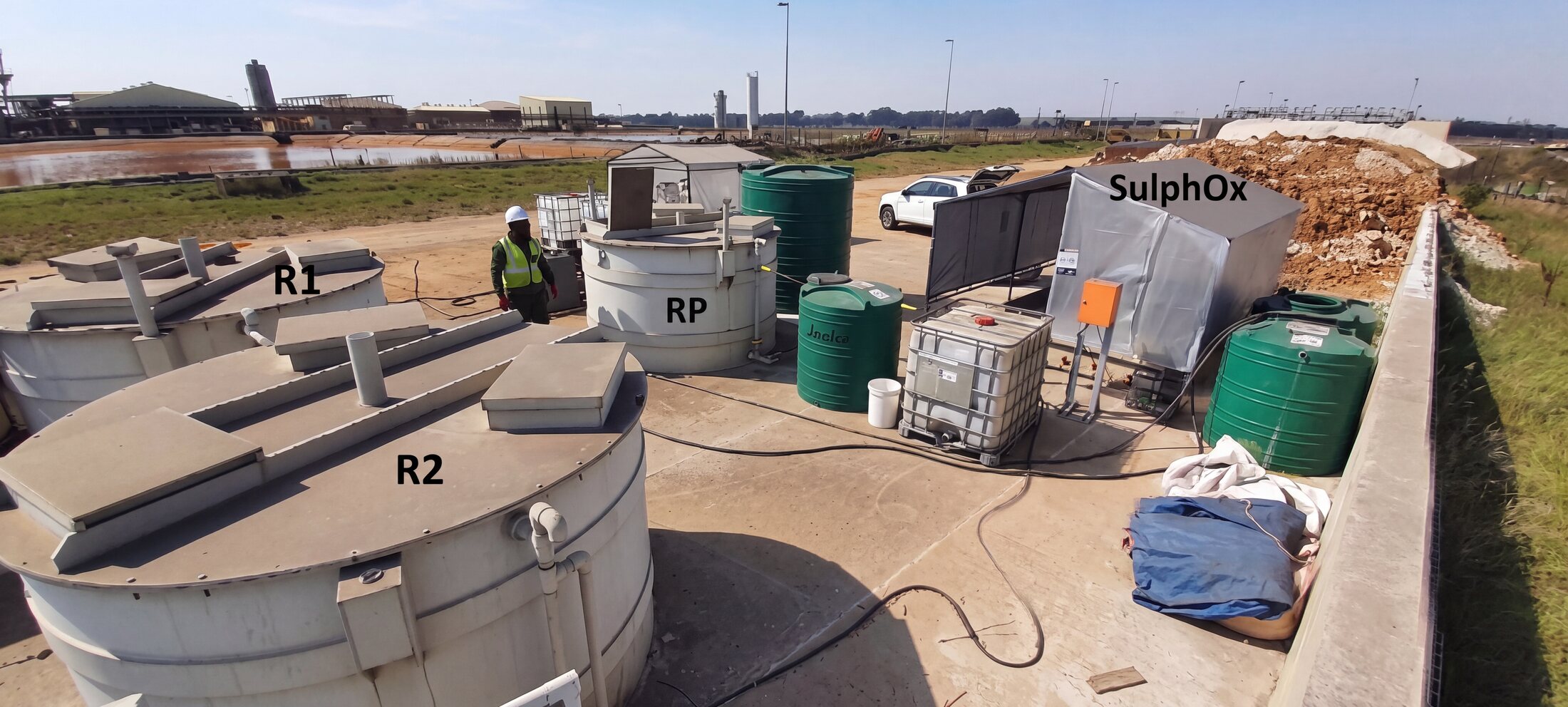
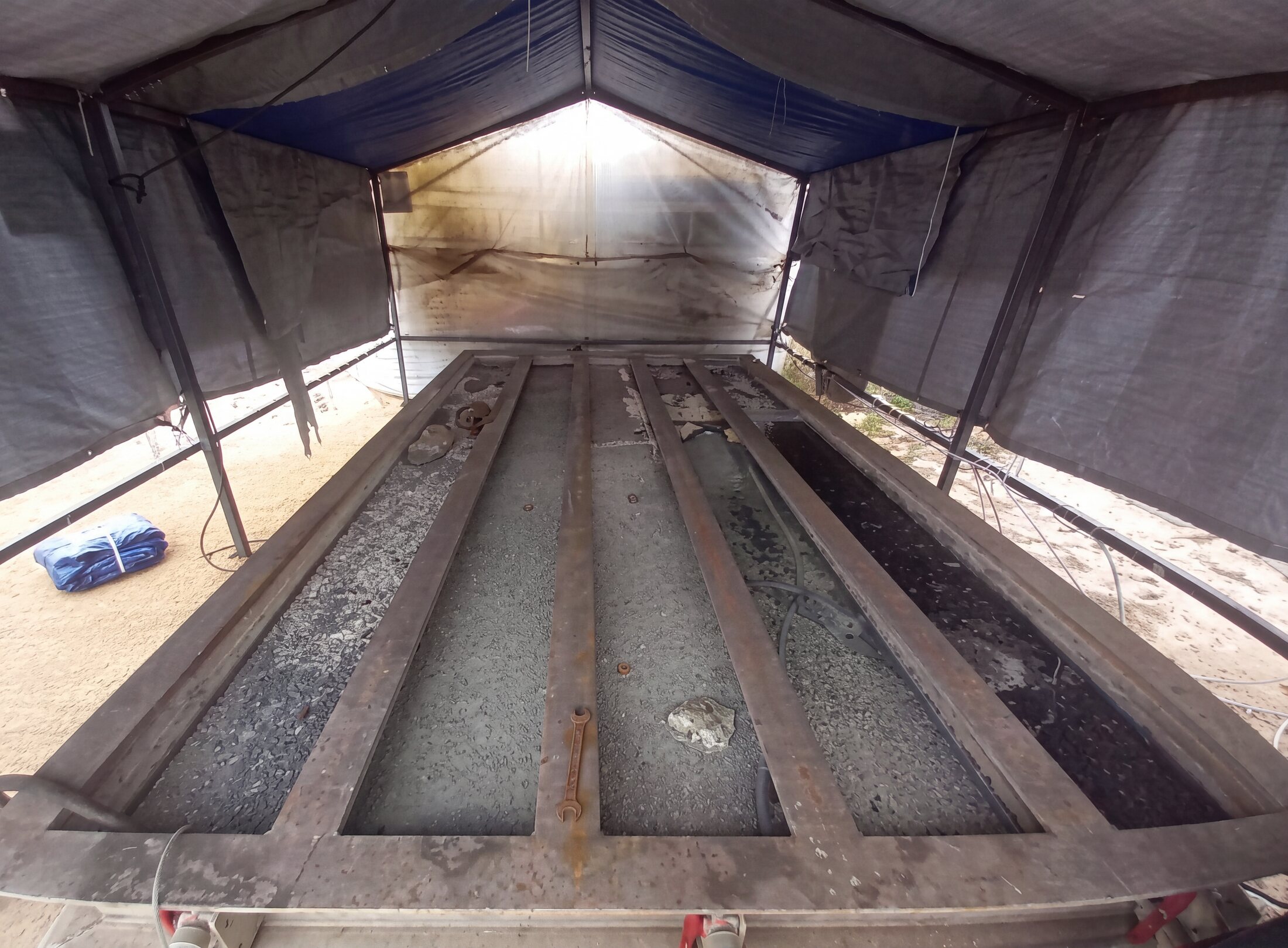
The University of Pretoria carried the first era. The 2006 study predicted the environmental impact and sustainability of irrigating with coal mine water. The 2007 work traced what reaches groundwater. The trials through 2011 grew pastures on gypsiferous mine water and measured everything: yields, soils, salts, seepage. The second era closed the quality gap. Under E2020-5, Mintek’s cloSURE treated raw acid mine drainage to irrigation standard, with the final report in October 2022, while parallel work screened grass species for biomass on treated water and discard.
Bales where the liability was
Hay bales on rehabilitated ground, grown on water a mine left behind. No other image in our portfolio argues harder. The evidence runs from agronomy through groundwater safety to treatment technology, which means post-mining agriculture is now a designed outcome rather than a hope. It gives closure planners a productive end use, communities an economy after mining, and the industry living proof that rehabilitation is more than paperwork. The regenerative farming and carbon work now building on this connects it straight to the emissions ledger.
The evidence. Every claim traces to a published report.
Where this goes next
This is where the water portfolio, the rehabilitation standard and the closure framework meet in one photograph: farmland after mining. Related: The Mine Water Portfolio. Mine Closure. The Emissions Baseline.