Mine water keeps rising long after the last shift. Our answer is a portfolio: freeze brine into clean water and saleable salt, treat water semi-passively where no plant can be staffed, and stop treating the waste stream as a dead end.
2012 to 2026Portfolio span
EFC, cloSURE, ion exchangeTechnology families
UCT, Mintek, CSIRLead institutions
Continuous EFCAt the edge of commercial use
14 years
of eutectic freeze crystallisation, bench to continuous
does the treatment survive after the mine and its budget are gone
01
The problem
It never stops coming
Close a colliery and the water keeps rising through the workings, picking up acid, metals and salt on the way. Treat it conventionally and you make brine, a concentrated waste with nowhere to go. And a treatment plant needs power, chemicals and people forever, which is precisely what a closed mine no longer has. That is the whole problem in one sentence: more water, less mine.
“Water is a vital resource in the operation of the mining industry and is increasingly becoming scarce.”
UCT Crystallisation Group, Annual Report 2019/20
02
The research
Three attacks on the same enemy
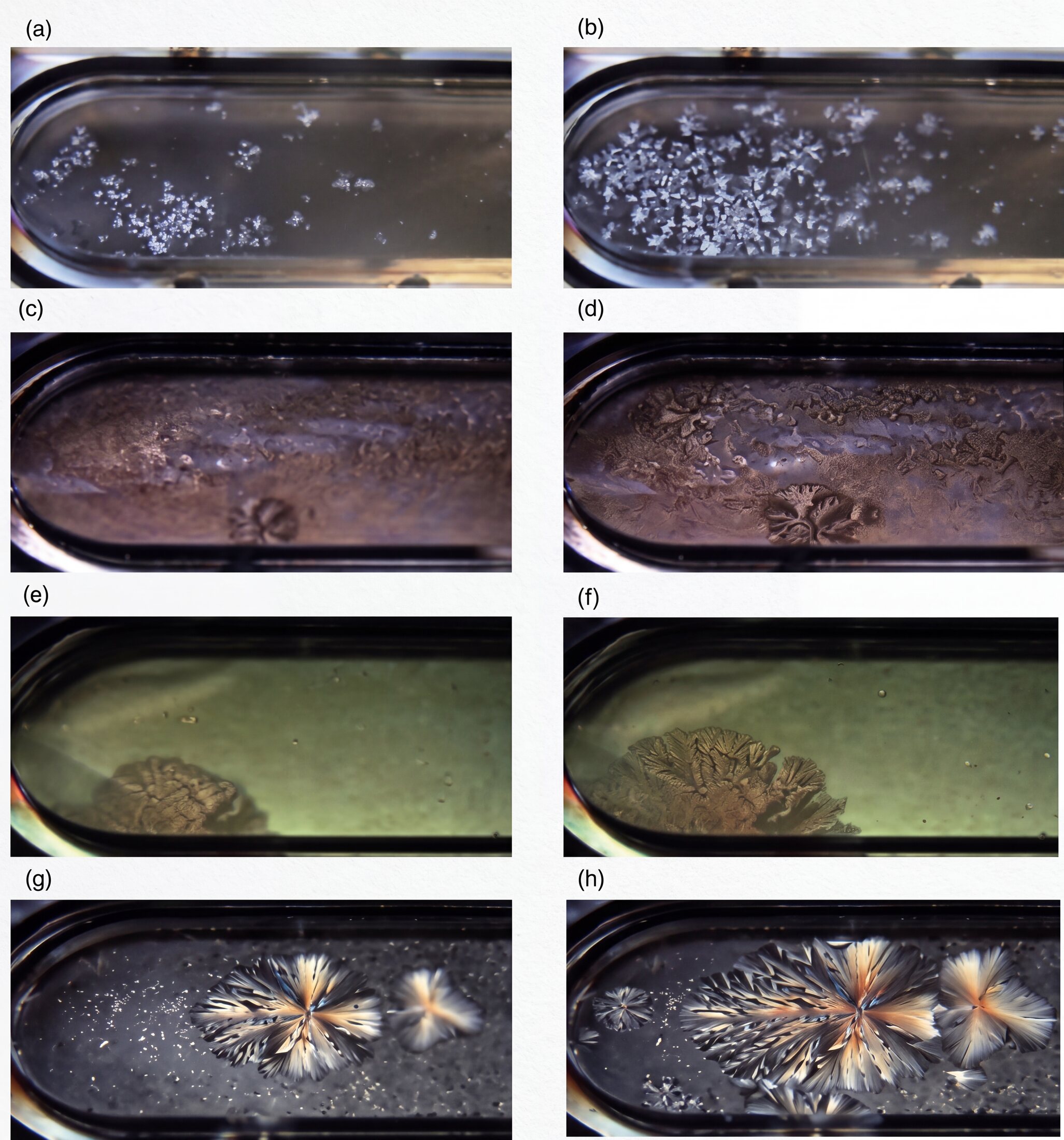
With UCT’s crystallisation group we spent fourteen years on eutectic freeze crystallisation, which cools brine to the point where pure ice and individual salts crystallise out separately. Clean water and product, out of waste. The work beat ice scaling on the heat exchangers, cleared the commercialisation obstacles in 2022, and reached continuous operation materials by 2025/26. In parallel, the semi-passive treatment line matured into Mintek’s cloSURE, built for sites where nobody will ever again staff a plant, and the brine recovery studies put numbers on the salts worth selling.
UCT Crystallisation Group
Eutectic freeze crystallisation, bench to continuous.
K. du Preez, Mintek
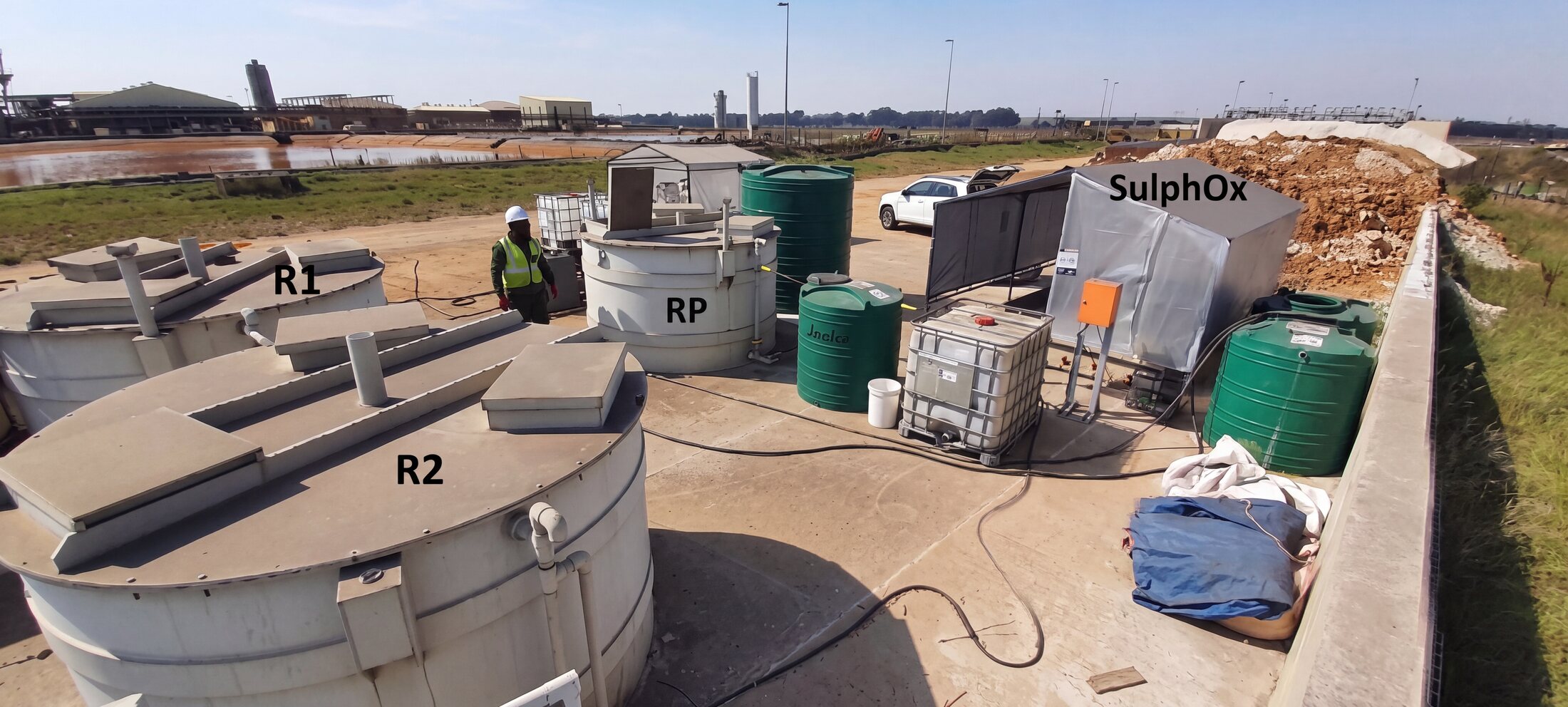
cloSURE semi-passive treatment.
Coaltech Environment Committee
Two decades of programme patience.
Crystallisation under way. Salts separating from brine under controlled freezing.Semi-passive treatment on site. No operators, no chemical deliveries.
14 years
on one technology. That is what it takes to turn brine into clean water and product, and we stayed for all of it.
03
The impact
From liability to product stream
Fourteen years ago brine was the end of every treatment conversation. Now it is a feedstock with a recovery route, and the freeze technology is at the edge of commercial deployment. cloSURE gives closure planners a treatment option a dead mine can actually sustain, which is why it appears inside the relinquishment framework. The water will keep coming either way. The difference is what it costs, and what it leaves behind.
2011 to 2012
Brine questioned
By-product marketing studies, first freeze and ion exchange work.
2016 to 2017
Semi-passive begins
Development of the integrated semi-passive treatment process.
2019 to 2022
Obstacles cleared
Ice scaling solved. Commercialisation unlocked. cloSURE proven for irrigation reuse.
2025/26
Continuous EFC
Novel materials and crystal engineering for continuous operation.
The evidence. Every claim traces to a published report.
PDFUnlocking Obstacles to Commercialisation of Eutectic Freeze CrystallizationWhat this report showsProject 8.4.6: from working science to deployable technology.2022Open in the Library →
PDFNovel materials for continuous EFC applicationsWhat this report showsCrystal engineering for continuous, scalable operation.2026Open in the Library →
PDFIce Scaling in Eutectic Freeze CrystallisationWhat this report showsThe heat exchanger problem, characterised and beaten.2019Open in the Library →
PDFTreatment of acid mine drainage for reuse in irrigationWhat this report showsE2020-5: cloSURE treating AMD to irrigation standard.2022Open in the Library →
PDFBrine: marketing of potassium and sodium by-productsWhat this report showsThe first evidence that brine holds product.2011Open in the Library →
Where this goes next
The treated water flows into the farming case study, and the semi-passive line into closure. Related: Farming with Mine Water. Mine Closure. Wetlands.