
Coaltech Research Association

05
CASE STUDY 05 · INTEGRATED MINING AND PROCESSING

Washing coal without water

South Africa washes coal in a country that cannot spare the water. Over a decade we tested the world’s dry beneficiation technologies against our own coals. When borrowing test rigs got in the way, we bought our own.

2015 to 2024Core programme
FGX, SepAir, ADMFB, winnowingTechnologies trialled
J. de KorteAnchor researcher
SepAir pilot plantBought and erected 2019/20
4+
dry technologies put through their paces on local coal
1 plant
our own SepAir pilot rig, bought in 2019/20
15 years
from the first FGX trials to the Witbank pilot campaign
0 litres
of process water used by any of them
01
The problem

Every washed tonne is water spent

Conventional beneficiation is a wet process, and it competes for the same water as the towns and farms of the Highveld. Dry separation exists, but the technologies were built for Chinese and American coals. Nobody could say which of them worked on ours, at what efficiency, at what cost. Guessing wrong at plant scale costs hundreds of millions.

“Purchase and erection of a Sepair dry treatment pilot plant.”
Coaltech Annual Report 2019/20. Four words that ended a decade of borrowed test rigs.
02
The research

Test everything. Own the evidence.

Johan de Korte anchored the work from the CSIR and then in private practice. The FGX trials at Exxaro operations set the baseline. Reviews and cost studies mapped air-dense medium separation and the rest of the field. Then we stopped borrowing access to other people’s equipment and bought a SepAir dry treatment plant of our own, erected in 2019/20. Dorstfontein coal went through it first. The Witbank pilot campaign followed, and the performance envelope of dry processing on South African coal went into the library, seam by seam, moisture level by moisture level.
J. de Korte
The anchor of the programme, CSIR and private practice.
Coaltech Processing Committee
Technology selection and trial oversight.
Member collieries
Coal sources and trial sites across the coalfield.
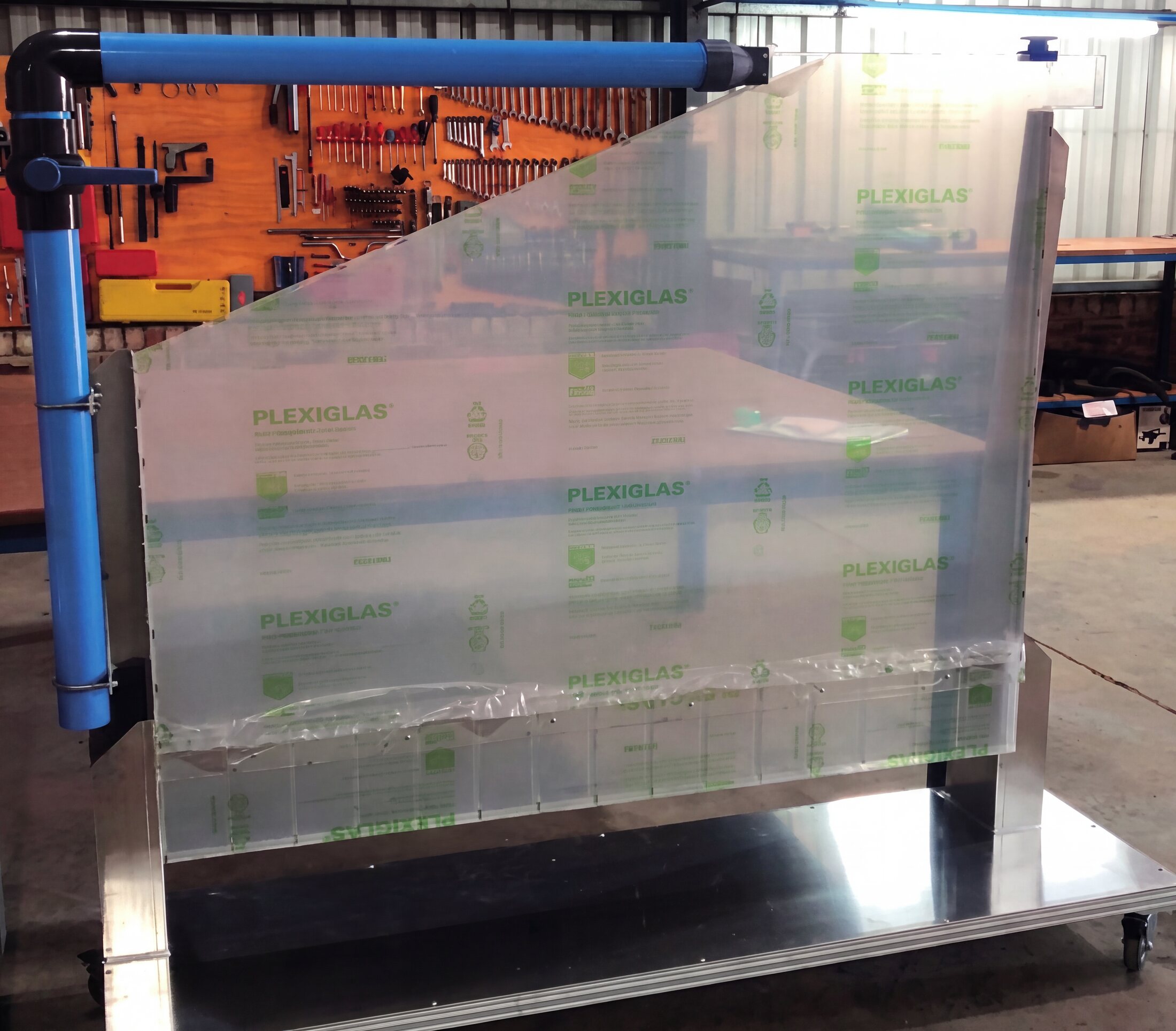
Winnowing rig under test: dry separation in controlled conditions.
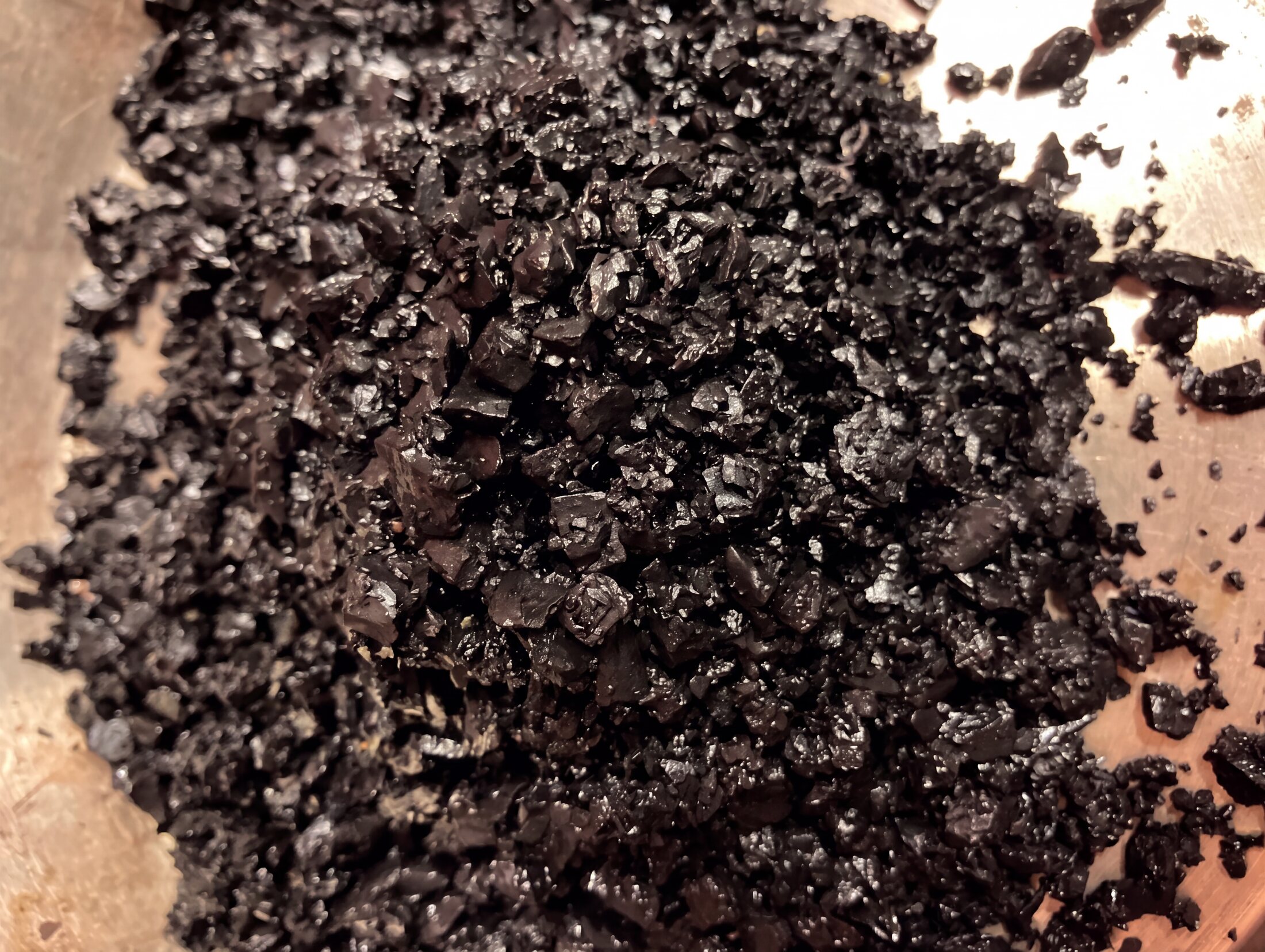
The product. Separated coal, and not a litre of process water.
0 litres
of water. That is what dry beneficiation asks of a catchment that has none to give.
03
The impact

Nobody has to guess anymore

A processing engineer weighing a dry plant today does not start from a vendor brochure. The measured performance of every serious dry technology on local coal sits in our library, and the pilot plant means a member can put their own coal through a dry circuit before betting capital on one. As the water gets scarcer, this stops being interesting research and starts being the industry’s plan B, tested and priced.

2009 to 2010
FGX baseline
The original dry processing trials at Exxaro RD and Northern Block Complex.
2016 to 2019
The field mapped
Dry dense medium progress, ADMFB costing, the dry processing review.
2019/20
Our own plant
The SepAir pilot plant is purchased and erected.
2020 to 2023
Local coal through it
Dorstfontein first, then the Witbank pilot campaign.

The evidence. Every claim traces to a published report.

PDFDry processing for coal preparation, a reviewWhat this report showsProject 4.8.5: the world’s dry technologies mapped against local conditions.2019Open in the Library →
PDFCost evaluation of medium solids for ADMFB separationWhat this report showsAir-dense medium separation, costed.2017Open in the Library →
PDFSepAir tests on Dorstfontein coalWhat this report showsFirst runs on our own pilot plant.2020Open in the Library →
PDFPilot scale testing of the SepAir on Witbank coal seamsWhat this report showsJ. van Brakel: the full Witbank campaign.2023Open in the Library →
PDFFGX dry processing tests at Exxaro RDWhat this report showsWhere it started.2009Open in the Library →
Shopping Basket