
How to close a mine and walk away honestly
Closure is the industry’s largest promise and its longest liability. We built the framework for keeping that promise: pitlakes as an accepted end state, agreed criteria for handing land back, and the risk models that make a closure plan defensible.
Every mine ends. Few end well.
Every mining right carries the same final obligation: rehabilitate, close, hand the land back. But South Africa had no agreed test for when a mine has actually earned relinquishment, and pitlakes, an accepted closure landform in the rest of the mining world, had no authorisation path here. Without an agreed endpoint, closure liabilities sit on balance sheets forever and the land sits in limbo with them.
Define done, then build the road to it
Three streams came together. Andrew Johnstone’s manual for authorising pitlakes gave mines and regulators a shared basis for leaving a pit void as a permanent, safe water body. The relinquishment criteria guideline set out what a mine must demonstrate before rehabilitated land can be handed back. And the risk assessment model under Project 8.3.1 gave closure planners a structured way to weigh receptors, risks and future land uses. Underneath sit two decades of supporting work, from soil covers to the socio-economic closure studies of the 2000s.
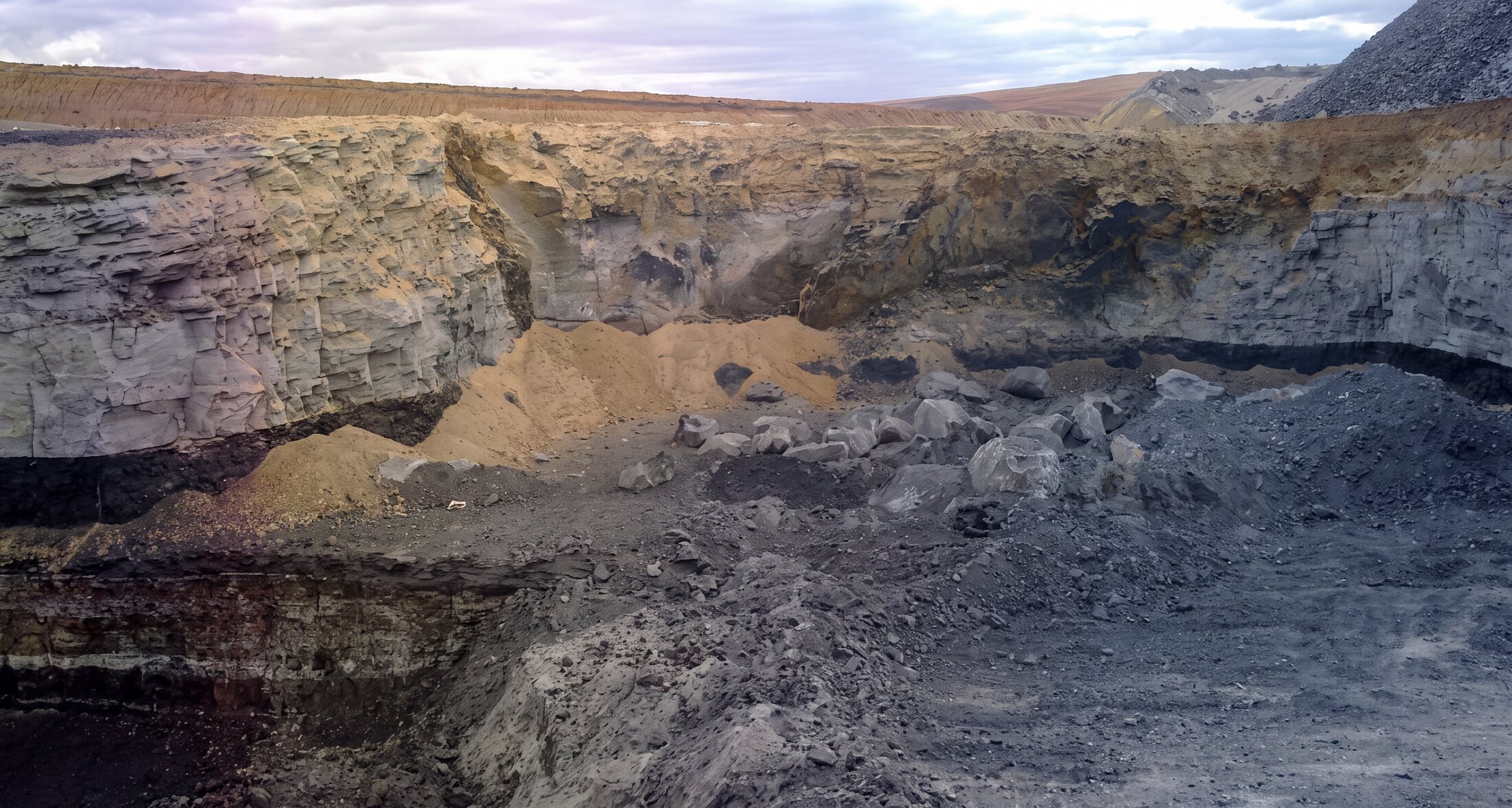
A shared definition of done
The criteria and the manual give mines and the regulator common language for the end state, which is what has to exist before any closure certificate is issued in good conscience. More than 200 people came to our Mine Closure Seminar to work through the framework. Closure used to be the conversation the industry avoided. It is now one we host.
A UN University workshop, held on rehabilitated coal ground
In April 2025 the United Nations University, the G20 Global Land Initiative and LaRSSA brought a post-mining landscape restoration workshop to Kromdraai, the rehabilitated ground of our member Thungela. The land the delegates walked is managed to the LaRSSA rehabilitation standard we helped commission, and the recognition that followed belongs to the whole system: member investment, a shared national standard, and twenty years of research behind both.
The evidence. Every claim traces to a published report.
In the news
When a member’s rehabilitated ground hosts a United Nations University workshop, the closure argument is being made on the land itself.
MODERN MININGThungela land rehabilitation recognised as pioneering at G20 UN University workshop4 Apr 2025↗THUNGELALand rehabilitation efforts recognised as pioneering at G20 UN University workshopApr 2025↗Where this goes next
Closure is where the rehabilitation standard, the wetland science and the farming research all cash out: land handed back with a future attached. Related: The Rehabilitation Guideline. Wetlands. Farming with Mine Water.